
We provide high quality commercial or personal legal advice
Contact UsOur Specialisms
Our Teams
We take the time to get to know our clients and their businesses, and we work collaboratively with them to achieve their goals.
Meet Our Teams
















Our Case Studies
Successful Acquisition of Multi-Let Mixed Use Development in London’s Haringey Area
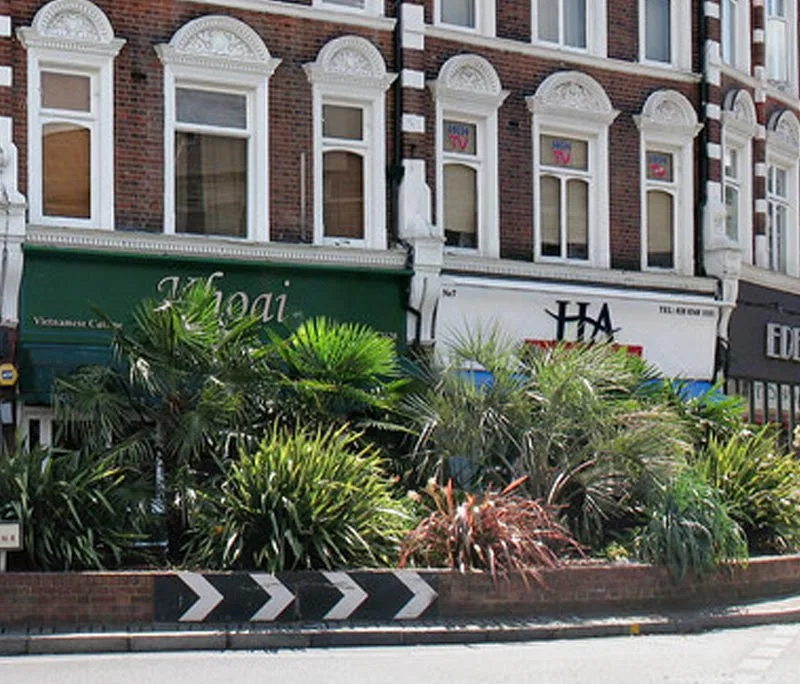
BBS Law successfully represented a family office in the acquisition of a multi-let mixed-use development located in the vibrant Haringey area of London. The purchase price was agreed upon at £7,500,000. Despite the complexity of the transaction, BBS Law’s penetrative…
Urgent Application for a Prohibited Steps Order
BBS Law represented a father who has sole care of the parties’ two-year-old son. The mother had returned to Taiwan, her home country and did not have consistent contact with the child. Given the father was in possession of the…

BBS Law advises Mantec Engineering on sale to Allied Global Engineering
BBS Law are delighted to have acted for Peter Ford, managing director of Mantec Engineering, in the sale of the company to Macclesfield engineering group, Allied Global Engineering. Openshaw-based Mantec Engineering is a provider of precision tuned and milled components…


After appointing BBS I was introduced to Kelly and Safiyah who would be looking after my property sale. I was impressed with them every step of the way, they kept me informed, avoided some potential issues and were thoroughly professional. What I like the most was the personable way they dealt with the matter, very attentive and always on hand to move things forward. A real pleasure to deal with thank you both.
Sean

Having recently worked with BBS Law to successfully conclude an Intellectual Property infringement case we were extremely happy with the services they provided.
David Bondt expertly guided us through the process and mediation, providing knowledgeable, professional and commercial support at all stages – thanks again David!
Baum Trading Limited
During a very difficult period in our business, we had to seek the help of a professional Law firm. We selected BBS Law Ltd following initial calls with Andrew Haffner and the Litigation Team. The support and unbiased guidance given by Andrew and the team guided us through many nightmare events. The extensive knowledge and professional support given to the complexities of the problem were well understood by BBS Law Ltd.
Hazel James, Managing Director at Brendon International Limited
Our Case Studies




SCROLL FOR MORE